Warehouse Robotics: How to Optimize Business Logistics
Find out how advanced robotics and artificial intelligence can eliminate warehouse errors, improve efficiency, and simplify work.
Luca looks at the shipping sheet and notices that it's only 8:30, yet three orders are already on hold. The management system shows the merchandise as available, but in the warehouse no one can find it. Two workers are counting the boxes by hand while a third tries to explain to a customer where their package is. The frustration stems from the feeling of constantly chasing problems instead of preventing them, and this is exactly where advanced robotics comes into play—not to replace people, but to eliminate the most repetitive and unpredictable parts of daily work.
What “Advanced Robotics” Really Means for Your Business
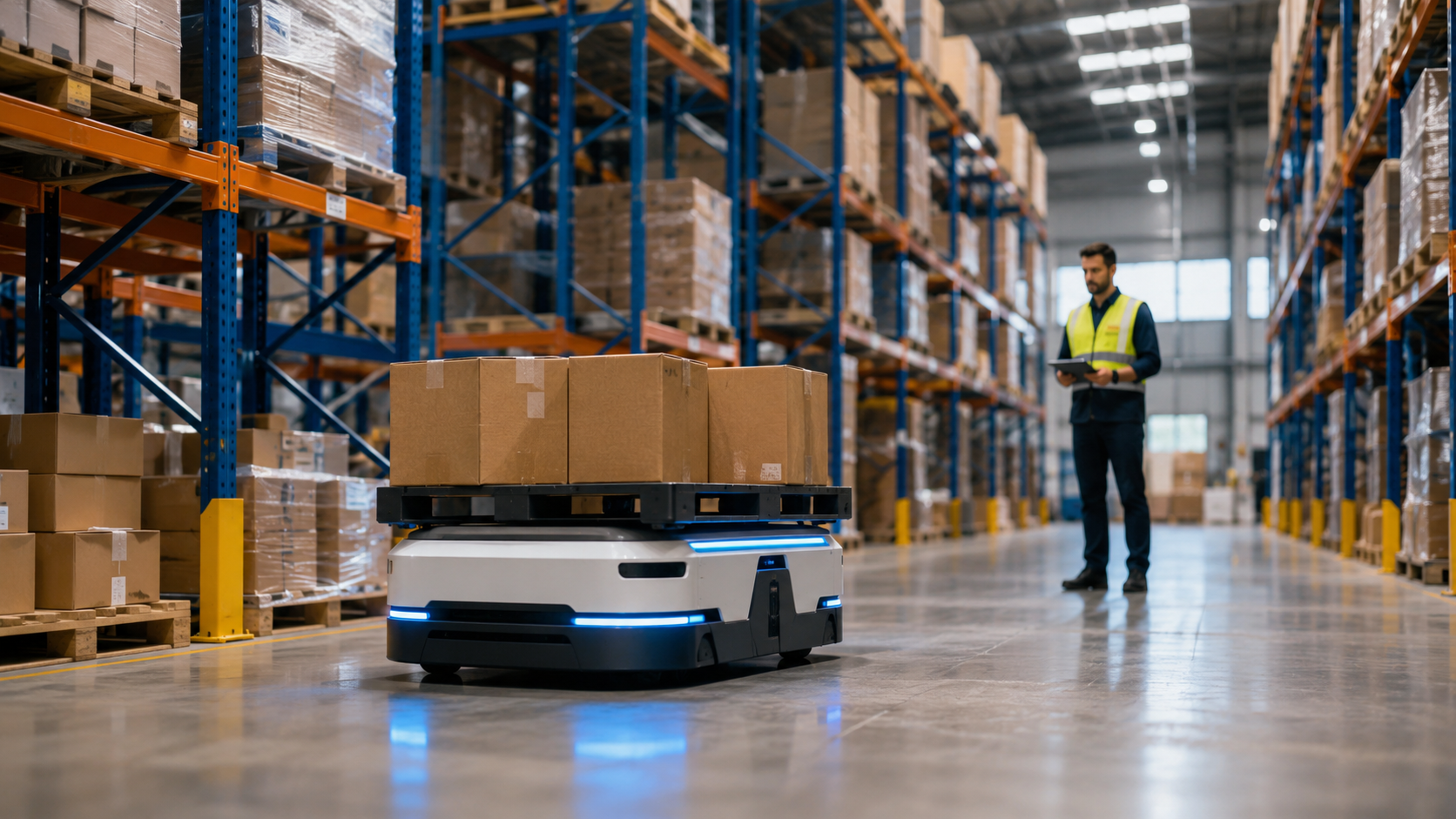
Advanced robotics doesn’t necessarily mean towering robotic arms or aisles full of self-moving machines. Rather, it refers to intelligent systems that help move goods, load vehicles, and organize spaces without requiring constant human oversight of every single operation. We’ve moved from rigid machines, programmed for a single task, to AI-driven solutions that optimize movements and reduce errors. Today’s warehouse robots do more than just transport goods: they scan barcodes, update inventory in real time, and flag discrepancies between physical stock and the management system’s data. For a business owner, this means fewer lost items and more orders that ship correctly on the first try.
What are the concrete benefits for warehouse managers?
The main advantage is precision. When an autonomous mobile robot picks a product and the software automatically updates the available quantities, the misalignment that holds up shipments disappears. Today’s systems combine robotics, sensors, and artificial intelligence so that every part of the warehouse communicates in real time. This results in fewer picking errors—because the robot knows exactly where every item is—and greater safety, since the heaviest or most repetitive tasks are handled by machines. This way, you always know what you have on hand without having to halt operations to take inventory.
Robotics and AI: An Investment Only for the Big Players
You don’t necessarily have to be a large corporation to get started. The logistics robotics market is growing and is estimated to reach $8 billion by 2030, but modular solutions designed for smaller businesses already exist. You don’t have to automate everything at once: you can start with a picking system for your highest-turnover items or with autonomous vehicles for heavy loads. The key is to choose a specific point in your workflow, resolve the issue there, and only then decide whether to expand automation. This frees your team from the most physically demanding tasks, allowing them to focus on quality control and exception handling.
What You Really Need to Get Started with Warehouse Robotics
The first step isn’t to buy a robot, but to figure out where you’re wasting the most time and money. Conduct this analysis with your warehouse manager and identify the operation that creates the biggest bottleneck—whether it’s order picking or moving goods between different zones. Once you’ve identified the critical issue, first evaluate the warehouse management software—which must be able to communicate with future machines—then consider staff training, and finally select the technology best suited to that specific problem. This approach helps you avoid installing a system that’s too extensive and risks remaining underutilized.
How to Manage Customer Communication While Automating Logistics
Automating your warehouse is of little use if you then lose control over communication with your customers. While robots move goods and update inventory levels, you must ensure that every customer always knows the status of their order. The classic problem is the time wasted answering repetitive questions via WhatsApp or email about where a package is or whether the delivery address can be changed. Automating these responses with an AI-powered customer service system frees up hours each week and reduces frustration for customers waiting for an update.
If you want to handle this aspect without adding complexity, Leader24 automates conversations on WhatsApp and your website, qualifying requests and answering frequently asked questions while you focus on the actual logistics.
How to Integrate Robotics Without Losing Control of the Warehouse
Technology gives you speed and precision, but your role remains to oversee the big picture. Collaborative robots are designed to work safely alongside people, without the need to separate them with barriers. This means you don’t lose the human touch: strategic decisions, exception handling, and relationships with key customers remain in your hands. Robotics handles the repetitive tasks, while you continue to steer the direction. The warehouse becomes more efficient without losing its personal touch.
Frequently Asked Questions
How long does it take to see the first results after implementing a robotic system?
It depends on the complexity of the installation, but with modular solutions such as an AMR for goods transport or an assisted picking system, the first operational improvements are visible within a few weeks. Most of the time is spent on the initial setup and staff training, not on the machine itself.
Do I need to hire specialized technical staff to operate the robots?
No, that’s not necessary. Robotics solution providers now offer maintenance and training included in their contracts. For day-to-day use, your existing staff can learn to operate the systems with a period of on-the-job training. The real challenge isn’t technical; it’s getting used to a different way of working.
What happens if the robotic system malfunctions during a peak workload?
Every professional installation includes backup procedures and the option to temporarily switch back to manual operation. The supplier must guarantee rapid support and clear recovery times. Evaluate this aspect before making your choice, because an unexpected shutdown during peak periods can cause real damage.
Start with just one piece of data. Open your management software, look at the last month’s shipments, and pinpoint the exact point where you wasted the most time or made the most errors. Solve that issue with the technology that makes the most sense for that specific problem. The rest will follow.
Leader24 Insights
If you’d like to learn more about how Leader24 addresses the topics covered, here are some resources to get you started:
Article written with the help of AI.
Ready to transform your customer service?
Activate your AI assistant on WhatsApp in 5 minutes. 30-day free trial, no credit card required.
Fonti
Related articles

Workflow visivi: come automatizzare il lavoro senza programmare
Scopri come usare i workflow visivi e il no-code per automatizzare compiti ripetitivi, risparmiare tempo e far crescere la tua attività senza scrivere codice.

Multilingual Support for Businesses: How to Use AI to Drive Sales
Find out how to overcome language barriers with AI to manage international customers on WhatsApp and your website, ensuring a professional experience and quick responses.

Converting Voice Messages to Text: How to Save Time Every Day
Learn how to convert voice messages to text to better handle customer requests, save valuable time, and improve your productivity.