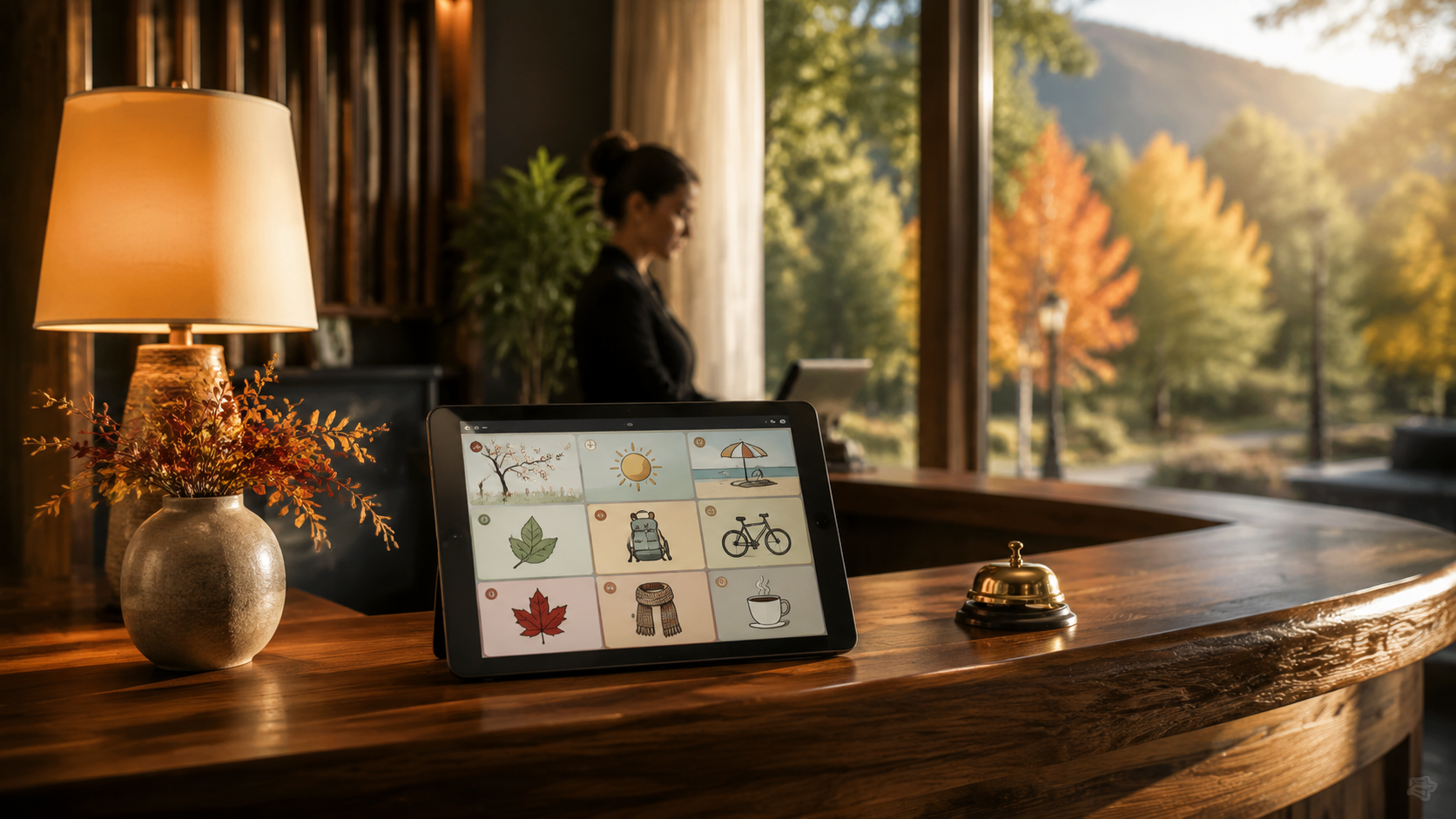
Learn how to adapt the tourism industry to climate change
The weather affects bookings. Find out how to adjust your offerings for different seasons, manage requests, and turn the weather into a competitive advantage.
Remember that week in August when your property was fully booked, but guests stayed locked in their rooms with the air conditioning on because it was thirty-eight degrees outside? Or that guest who called you in June to reschedule their reservation for September, explaining that it was too hot to be at the beach? These aren’t isolated incidents. The weather has become the real factor driving bookings, and anyone running a tourism business can no longer ignore the fact that the booking calendar doesn’t work the same way it did ten years ago. The goal isn’t to simply endure the weather, but to learn how to manage demand that shifts over time and space, turning uncertainty into a concrete advantage for your property.
Why the Weather Has Become the Number One Factor in Bookings
The climate is no longer just a secondary consideration. It’s the factor that determines how attractive a destination is to travelers. Today, people choose where to go based on the forecast temperature and seek out cooler places when the heat becomes excessive. Tourism seasonality stems from a combination of natural, social, and economic factors, and weather ranks first. So-called “heat tourism” is changing travel habits. Mountain and lake resorts are becoming viable alternatives to traditional beach destinations. One statistic stands out: a significant percentage of Italian travelers say they have not changed their plans over the past two years due to high temperatures, but they are still adjusting their behavior. They aren’t giving up on their vacations; they’re simply changing their destination or travel dates. For you, this means that customers are still out there, but they might book elsewhere if your offerings remain inflexible.
How to Seasonalize Your Offerings Without Sacrificing Profitability
Seasonalization isn’t just about staying open longer. It means creating compelling reasons for people to visit your area during the shoulder months. March, April, October, and November are the periods when you can make a real difference. Moving events, festivals, or sports activities to cooler months serves as a powerful draw. The entire schedule of cultural and sporting events should be shifted to those months, because it attracts demand precisely when the weather is most suitable for outdoor activities. If you run a bed-and-breakfast, you can offer “slow tourism” packages featuring seasonal harvests or nature-based workshops. If you have a B&B in an art city, focus on indoor food and wine itineraries or themed tours that don’t depend on sunny weather. You won’t lose profitability if you fill the slow periods with a targeted offering. In fact, off-season customers often have a higher spending capacity and are looking for authentic experiences, not just a beach umbrella and the beach.
Managing Customer Inquiries in an Unpredictable Market
When the weather changes, customer inquiries increase. “Is it too hot during that time of year?”, “Are there alternative activities if it rains?”, “Can I reschedule without penalties?” These are messages that come in via WhatsApp, the website’s contact form, or social media. If you don’t respond quickly, the customer will move on to the next business. A business messaging app allows you to maintain a direct and immediate line of communication. For rescheduling appointments or guided tours, an online appointment scheduling tool avoids endless email exchanges and gives customers the freedom to choose a new date on their own. If managing dozens of messages is becoming a second job, Leader24 helps you centralize conversations and automatically answer frequently asked questions. This frees up time for you to focus on your guests’ experience instead of being glued to your phone screen.
Digital marketing can “predict” the weather
You can use weather data to guide your campaigns. Instead of just promoting sun and sea, start highlighting cool temperatures, relaxation, and nature to attract those seeking an escape from extreme heat. Incorporate weather data into your social media posts or newsletters. If you know a major city in northern Italy is expecting a heatwave over the weekend, highlight the cool climate of your hillside location during those very days. Promote mountain getaways or natural areas as alternatives to traditional beach tourism. You don’t need to become a meteorologist: short-term forecasts are all you need to launch a targeted campaign on Facebook or Instagram. A comfortable climate is becoming a real marketing asset. The most forward-thinking accommodations are already adapting their business strategies to this new factor.
Adapting Your Property: Small Changes, Big Benefits
No costly renovations are needed. Often, simply reorganizing common areas or adjusting opening hours is enough to make your property comfortable even in high temperatures. Scheduling events and special openings for the cooler times of day—such as early morning or evening—is a cost-free strategy that enhances perceived comfort. If you have a pool, consider opening it in the evening with dedicated lighting. If you offer excursions, schedule departures at sunrise and returns by noon. If you run a restaurant, expand your selection of cold dishes and non-alcoholic beverages during the hottest months. Communication on-site matters too: a sign indicating the shaded areas of the garden or recommended times for outdoor activities makes guests feel cared for, rather than left to fend for themselves in the heat.
The First Step to Get Started Today
Don’t try to change everything at once. Start by analyzing your booking data from the past two years. In which months did you have fewer requests? Which weeks remained unbooked despite favorable weather? Those are your opportunities. Pick a slow month and create a specific offer, such as a relaxing fall package with flexible check-in and an included experience. Then test it with a social media campaign targeting a local audience—people who can reach you within a couple of hours by car. You don’t need a huge budget—you need a clear idea and the consistency to promote it for a few weeks. Weather-driven tourism isn’t a threat. It’s a new way of understanding demand. And those who learn to read it first will fill their rooms when others are closing up shop.
Frequently Asked Questions
How do I handle last-minute cancellations due to the weather?
A flexible cancellation policy is the first step. Always offer an alternative instead of just a refund: a date change with no penalty, a voucher for a future stay, or a free upgrade for the next available period. Proactively communicate these options right in the booking confirmation email. The guest feels protected, and you don’t lose contact with them.
Does it make sense to promote my property as a “non-summer” destination if I’ve always done business in the summer?
Yes, but without compromising your identity. You don’t have to stop promoting the summer. You need to add a parallel narrative for the shoulder months. Start by testing a specific month, such as October, and measure the results. If it works, expand. The risk isn’t in trying; it’s in standing still while your competitors are moving forward.
What are the best months for seasonality management in Italy?
It depends on your area, but in general, March, April, October, and November offer ideal temperatures for outdoor activities without the summer heat waves. These are also the months when travelers seek more authentic experiences and face less competition when choosing accommodations. Start with one of these four months and build a customized offer.
Leader24 Insights
If you’d like to learn more about how Leader24 addresses the topics covered, here are some resources to get you started:
Article written with the help of AI.
Ready to transform your customer service?
Activate your AI assistant on WhatsApp in 5 minutes. 30-day free trial, no credit card required.
Fonti
Related articles

Perché smettere di vendere ore e puntare ai risultati concreti
Smetti di vendere il tuo tempo a tariffa oraria. Scopri come passare a un modello basato sul valore e sui risultati per far crescere la tua attività.

Marketing per piccole imprese: perché non serve un testimonial
Scopri perché per una piccola impresa la fiducia dei clienti conta più di un volto noto e come costruire una strategia basata sull'ascolto e l'autenticità.
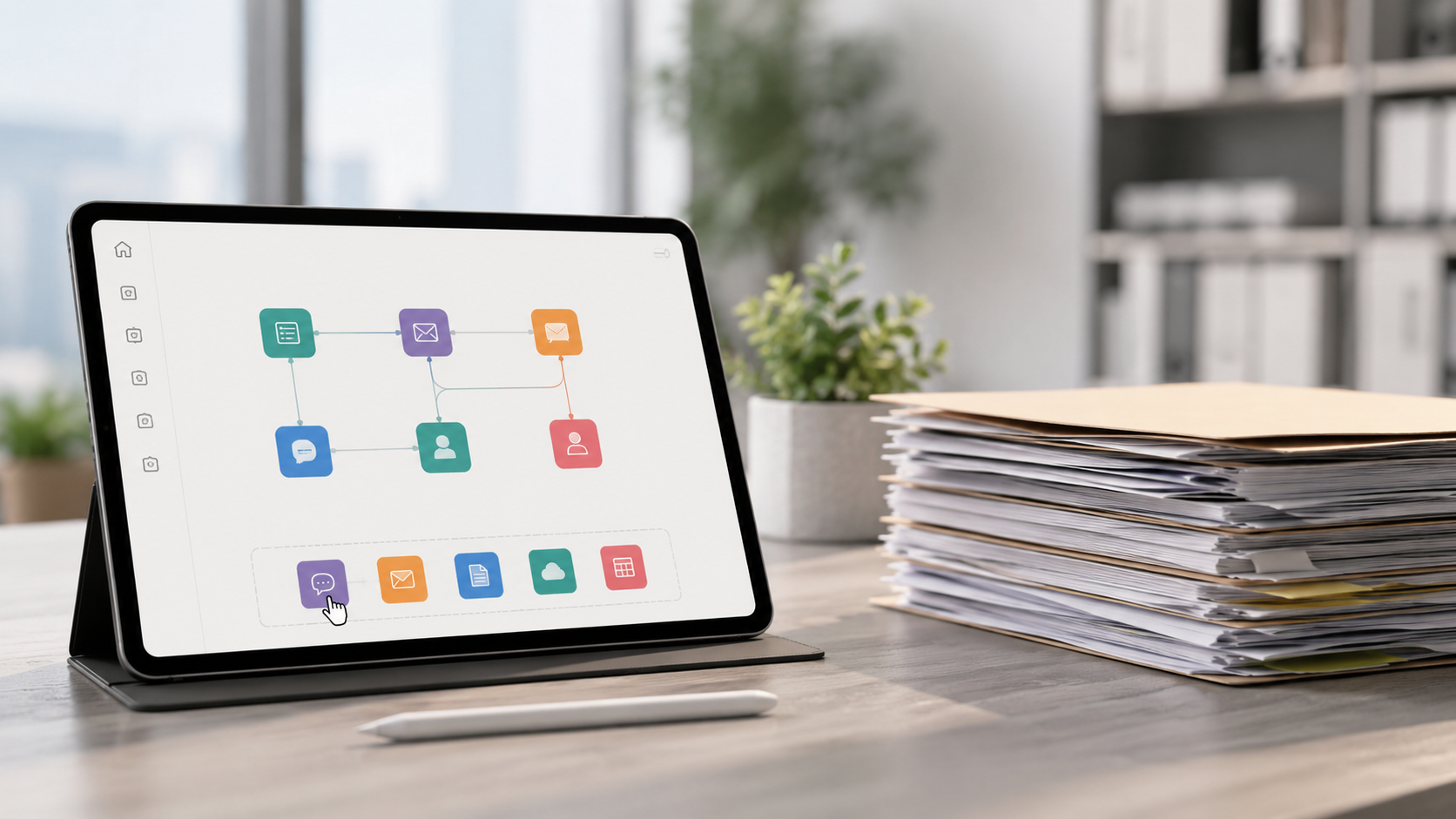
How to Automate Business Processes Without Writing Code
Learn how to design efficient business workflows and automate repetitive tasks using no-code tools, without having to code.