
Automation in Logistics: How to Reduce Stress and Costs
Discover how business automation and AI can optimize routes and communications, transforming day-to-day logistics into a more efficient process.
The phone rings for the fourth time in ten minutes. It’s a customer asking where their shipment is—the same question three other people have asked you in the last hour. Meanwhile, the van is stuck on the beltway, and you’re trying to figure out how to reschedule the afternoon deliveries. Day-to-day logistics isn’t about huge container ships or intermodal hubs—it’s about phone calls, WhatsApp messages, delays, and customers who want answers right away. The automation everyone’s talking about isn’t science fiction, but a practical way to reduce this stress and free up hours of actual work time.
What “road automation” really means for your business
Road automation isn’t just about self-driving trucks. It’s a suite of technologies that are already becoming part of daily operations and fall into two broad categories: in-vehicle systems and management systems. The first involves driver-assistance systems, such as lane-keeping or automatic braking, while the second consists of software that plans routes, assigns loads, and monitors vehicles in real time. For a small business owner, it is precisely this latter area that is most relevant today.
The economic impact is tangible. Reducing the number of kilometers traveled by even just 5% can generate significant savings in fleet management, even for a small fleet. That means less fuel, less wear and tear on vehicles, and more time to serve other customers. You don’t need a self-driving truck—all you need is software that tells you which route to take and which load to pair with it.
How Artificial Intelligence Is Changing Day-to-Day Logistics
Artificial Intelligence in transportation works behind the scenes. It analyzes data you wouldn’t have time to review, such as traffic conditions, loading and unloading schedules, and vehicle availability. The goal is to reduce empty runs and ensure that every truck or van is always carrying a load, both on the outbound and return trips. Algorithms plan routes and loads, reduce empty runs, and improve vehicle utilization. This isn’t just theory: it’s what happens when software suggests delivering first on Via Roma and then on Via Verdi because it’s calculated that you’ll save time.
For you, this means making better decisions without spending hours analyzing them. You don’t have to become an expert in algorithms: today, there are fleet management tools that do this work for you and provide a clear operational plan. Add to that a platform that manages customer communications, and the circle is complete. If your business receives dozens of requests like “Where’s my shipment?”, an automation tool like Leader24 can respond independently via WhatsApp, freeing up your time for operational management.
What Are the Concrete Challenges for Transportation Managers in 2026
The most immediate challenge isn’t technological—it’s regulatory and human. The 2026 Milleproroghe Decree introduced cross-cutting measures on sustainability and intermodality, with impacts on trucking, port operations, and the environment. For a small operator, staying up to date on these regulations is just as complicated as choosing new software. However, there’s one detail every business owner needs to know: the suspension, for all of 2026, of the biennial update to the administrative penalties set forth in the Highway Code. In practice, fines won’t increase this year—a fact that helps avoid budgeting for costs that won’t materialize.
The second challenge is training. Introducing a new digital tool into a company requires someone to learn how to use it, but the time invested pays off quickly once you stop doing manually what software can do for you.
Automation Can Help You Manage Customers Better
Yes, and this is perhaps the most immediate benefit. Modern customers want instant answers: if they message you on WhatsApp to find out if a shipment has left or what time it will arrive, they can’t wait hours. Every minute of waiting is a risk that they’ll turn to a competitor, so automating responses to frequently asked questions is the first step toward reducing the pressure on your office.
Think of a logistics firm that handles e-commerce deliveries. Every day, dozens of identical messages come in: “Where’s my package?”, “What time will you deliver it?”, “Can you leave it with the neighbor?” An automated WhatsApp agent can answer these questions 24 hours a day, drawing on tracking data. You no longer have to stop what you’re doing to respond, and the customer gets an answer right away, while more complex questions are routed to the right person. It’s not a cold chatbot—it’s a smart filter that lets you focus only on the work that matters.
How to Start Digitizing Processes Without Going Crazy
You don’t need to change everything right away. In fact, the most common mistake is trying to revolutionize the company in a week, so start with the process that takes up the most of your time. Almost always, it’s communication with customers. Here are three practical steps:
- Digitize your communications: If you’re still relying solely on the phone, add WhatsApp Business to your toolkit. It’s the tool your customers are already using, and it lets you send quick updates, photos of shipping documents, and real-time location information.
- Automate repetitive responses: Identify the three questions you receive most often and set up automated replies. You don’t need complex software—even WhatsApp Business’s predefined replies save time. As your volume grows, you can switch to an AI assistant that handles conversations in a more sophisticated way.
- Track your results: If you have a website, use Google Analytics data to understand what your customers are looking for. Which pages do they visit? What questions do they ask you via email? This data tells you where to invest your time and money.
Choose one tool at a time. Don’t look for the perfect solution; look for the one that solves your current bottleneck. If you’re wasting time today answering “Where’s my shipment?”, start there. Tomorrow you can think about optimizing routes.
The Future of Transportation: What to Expect in the Coming Years
Driverless vehicles are the long-term frontier, but for the next five to ten years, the focus remains on data efficiency. Success will depend on how well you can integrate these technologies to offer a faster and more sustainable service. It’s not about replacing people with machines, but about enhancing the capabilities of those who drive, plan, and manage. The industry will become increasingly interconnected: vehicles will communicate with warehouses, and warehouses with end customers. Those who know how to use data to make better decisions will have a competitive advantage, while those who stick with an organization based solely on phone calls and Excel spreadsheets will find it increasingly difficult to keep up. The good news is that getting started is easier than it seems.
Frequently Asked Questions
Do I need to buy a self-driving truck to stay competitive?
No. The automation that matters most for a small business today is operational automation: software for route planning, load management, and automating communication with customers. Self-driving trucks are still in the testing phase and require investments that are out of reach. Focus on tools you can use right away with the resources you already have.
How much does it cost to automate customer management?
It depends on the volume of messages you handle. There are solutions starting at just a few dozen euros a month for a basic automated WhatsApp assistant. The savings in time and avoided errors pay for the investment within a few weeks. We recommend starting with a 30-day free trial to gauge the real impact on your operations.
Leader24 Insights
If you’d like to learn more about how Leader24 addresses the topics covered, here are some resources to get you started:
Article written with the help of AI.
Ready to transform your customer service?
Activate your AI assistant on WhatsApp in 5 minutes. 30-day free trial, no credit card required.
Fonti
Related articles

Modelli multimodali: come usare immagini e AI nel marketing
Scopri come i modelli multimodali trasformano il marketing e l'assistenza clienti, analizzando immagini e testo per farti risparmiare tempo prezioso.
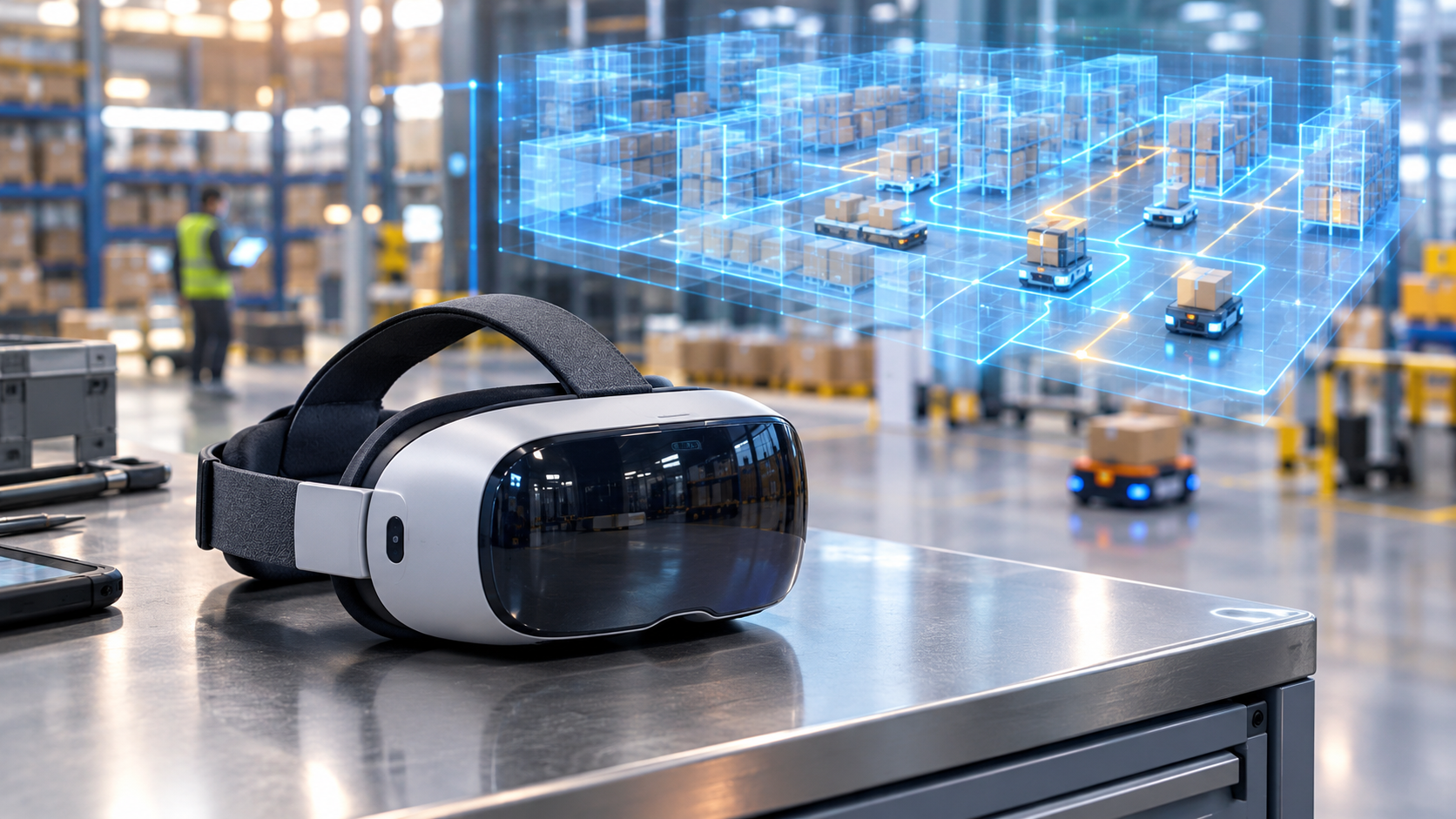
Simulazioni robotiche: innovare il magazzino con la realtà virtuale
Scopri come la simulazione digitale ti permette di testare layout e automazioni in magazzino, eliminando i rischi e ottimizzando i costi operativi.

Previsioni meteo e vendite: come adattare la tua attività ai cambiamenti
Scopri come le previsioni meteo influenzano le vendite e come usare dati, AI e strumenti digitali per ottimizzare scorte e comunicazione in negozio.