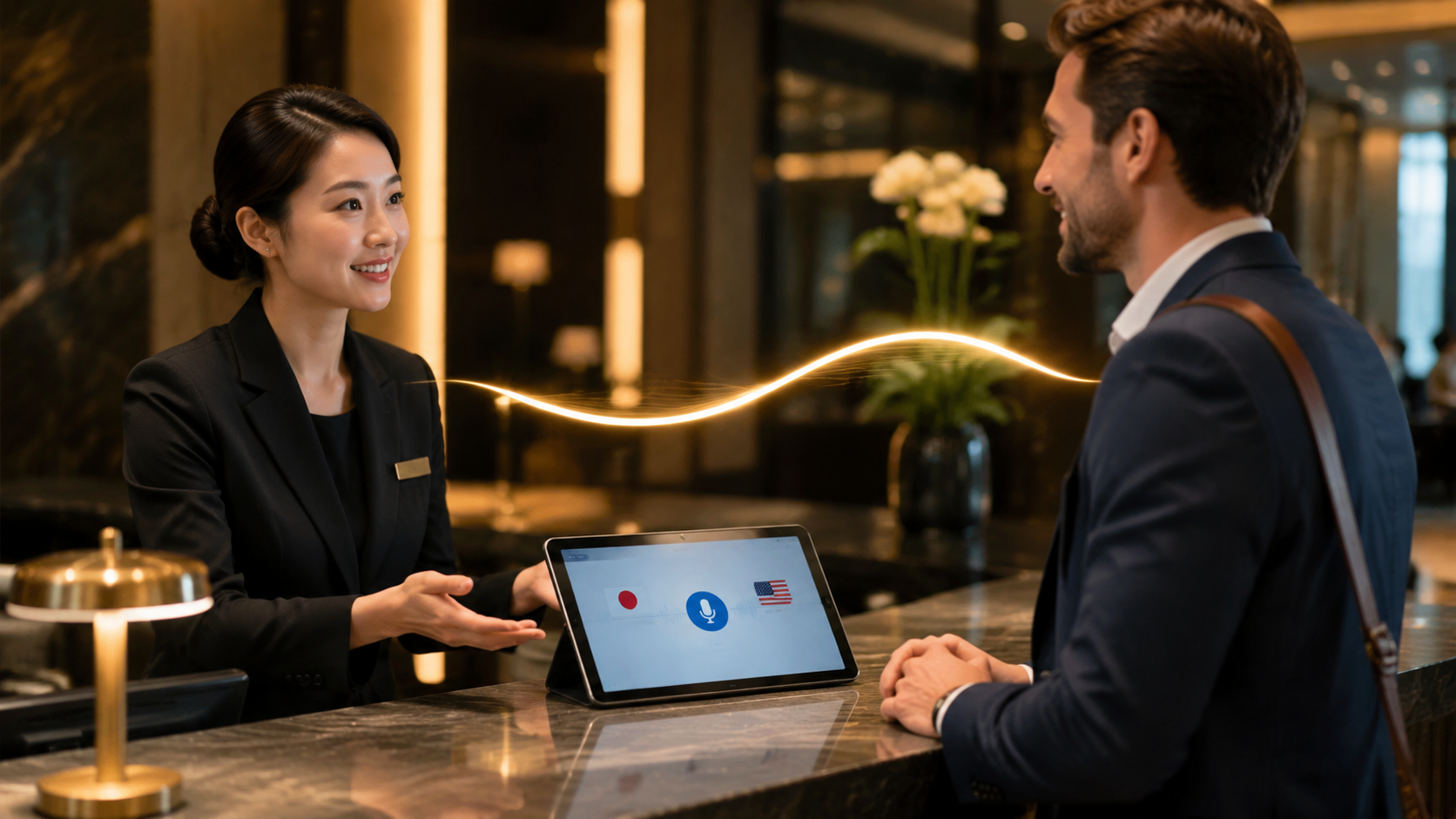
How to Overcome the Language Barrier in Hotels and Improve Reviews
Learn how to accommodate international guests at your hotel by overcoming the language barrier with voice translators and AI assistants to enhance the customer experience.
A guest gets out of a taxi at 11:15 p.m. He’s tired, hungry, and doesn’t speak Italian. You’re at the front desk and try to explain where he can get something to eat at that hour, but he looks at you as if you were speaking Aramaic. Ten seconds of silence. Then an awkward smile. Then an “ok, thanks” that means nothing.
It’s not your fault, and it’s not the guest’s fault. It’s a real problem that happens every day in Italian hotels, and it has a specific cost: that guest doesn’t feel welcome. They’ll remember that when they write their review.
Why the language barrier is holding back your reviews
The quality of the property matters only up to a point. A comfortable bed and a hearty breakfast are important, but if a guest can’t make themselves understood for a simple piece of information, they perceive a lack of attention. Negative reviews almost always stem from there: not from a technical glitch, but from a moment of human frustration.
An article by AbroadLink explains the key point well: To attract international visitors, attractive offers aren’t enough; you need to be able to communicate in their language, otherwise the message gets lost. And a professional and immediate translation builds a bridge between cultures, making the experience more inclusive and memorable.
Let’s be clear: a hotel that invests thousands of euros in furnishings but doesn’t dedicate a single minute to multilingual communication is leaving money on the table. Every time a guest leaves the front desk with an unresolved question, you’ve missed an opportunity to earn a five-star review.
Portable voice translators: are they really useful at the front desk?
For brief face-to-face interactions, yes. They’re becoming an increasingly common tool, and some models are surprisingly accurate.
The Vasco Translator E1, for example, is praised for its intuitiveness and translation quality. Another frequently mentioned device is the Timekettle, which supports many languages and accents in real time.
The benefit is immediate: a receptionist can explain breakfast hours in French or German without knowing a word of those languages. The conversation is quick: the device translates verbally, and the guest responds. But be careful: we’re talking about short, one-on-one conversations where both parties are in the same place. The device only solves the problem if you’re physically there, face-to-face with the guest.
When voice translation isn’t enough: messages that arrive when you’re not there
This is where the major limitation lies. A portable voice translator is useless when a guest messages you on WhatsApp at 9:30 PM to ask if they left their charger in the room, or when a potential guest from Japan contacts you via the website to ask if you allow pets. In those moments, the device is turned off and tucked away in a drawer, the message has arrived, the guest is waiting for a reply, and you’re busy doing something else.
The point is that today, guests expect to communicate with you even when you’re not at the hotel. They message on WhatsApp, use the website form, send messages on social media, and often do so in their own language, not in Italian or English. If you want to manage these conversations without having to manually translate every message and without hiring a native speaker for every nationality, Leader24 provides you with an AI assistant that automatically responds on WhatsApp and the website in the guest’s language, 24 hours a day.
How to integrate technology without losing the human touch
There’s an understandable fear: if I implement an automated system, I’ll lose the personal connection with the guest. But that’s not the case if you use technology for repetitive tasks and leave the situations that really matter to your staff. The right approach is to divide incoming requests into two categories.
Standard questions: check-out time, Wi-Fi password, parking, breakfast, nearby restaurants. Here, a multilingual AI assistant works perfectly, because it responds immediately, in the customer’s language, at any hour.
Sensitive situations: a guest who missed their flight, a problem in the room, a medical request. Here, you need a real person who addresses the guest by name and finds a solution.
You need technology to filter out the first type of requests, so staff have the time and attention to focus on the second.
The technical detail that makes the difference: latency
In a normal conversation between two people speaking the same language, the response time is practically instantaneous. If you use a translation system and three seconds pass between when you speak and when the other person hears the translation, the conversation breaks down. That delay is called latency, and for a smooth interaction, it must be minimal—ideally under 100 milliseconds—because above that threshold, the guest perceives the wait and the exchange becomes cumbersome.
When choosing translation software or a device, try this test: simulate a real conversation at the front desk and measure the response time. If you see the guest staring into space while waiting for the translation, that product isn’t suitable.
The first step to get started tomorrow
You don’t need to implement everything in a single day. Start with a simple step: identify the ten most frequently asked questions you receive from international guests by creating this list together with your staff. It will likely include things like where to park, what time breakfast is served, how the Wi-Fi works, whether guests can leave their luggage after check-out, and if there’s a restaurant open nearby.
Translate these phrases into English, French, and German, then print them out or put them in a QR code to leave in the room. You’ve just resolved most requests without buying any tools. After this first week, if you see that the volume of multilingual requests is high and your staff is struggling to keep up, consider an automated support solution on WhatsApp and your website. Start slowly, but start with real data in hand.
Frequently Asked Questions
Do voice translators replace an English-speaking receptionist?
No. A device translates a conversation, but it doesn’t handle unexpected situations. A receptionist who speaks English well remains an enormous asset, especially with business clients or in complex situations. The voice translator is a support tool for languages that no one at the hotel knows, such as Chinese or Russian.
If the guest speaks with a very strong accent, does the translator work?
Some more advanced devices recognize regional accents, but with very strong accents, the quality of the translation may decline. In those cases, it’s better to rely on an AI assistant that translates written messages: the accent isn’t an issue, and the text remains clear.
How much does a multilingual AI assistant cost compared to a physical device?
A portable voice translator is a one-time purchase, while an AI assistant for WhatsApp and your website operates on a subscription basis and scales to your needs. The real difference, however, isn’t the price, but the use: the device is useful when you’re physically present, while the AI assistant responds even when you’re not there. If your hotel receives reservations and requests via message even outside of business hours, a multilingual AI assistant solves a problem that the device alone cannot address.
Leader24 Insights
If you’d like to learn more about how Leader24 addresses the topics covered, here are some starting resources:
Ready to transform your customer service?
Activate your AI assistant on WhatsApp in 5 minutes. 30-day free trial, no credit card required.
Fonti
Related articles
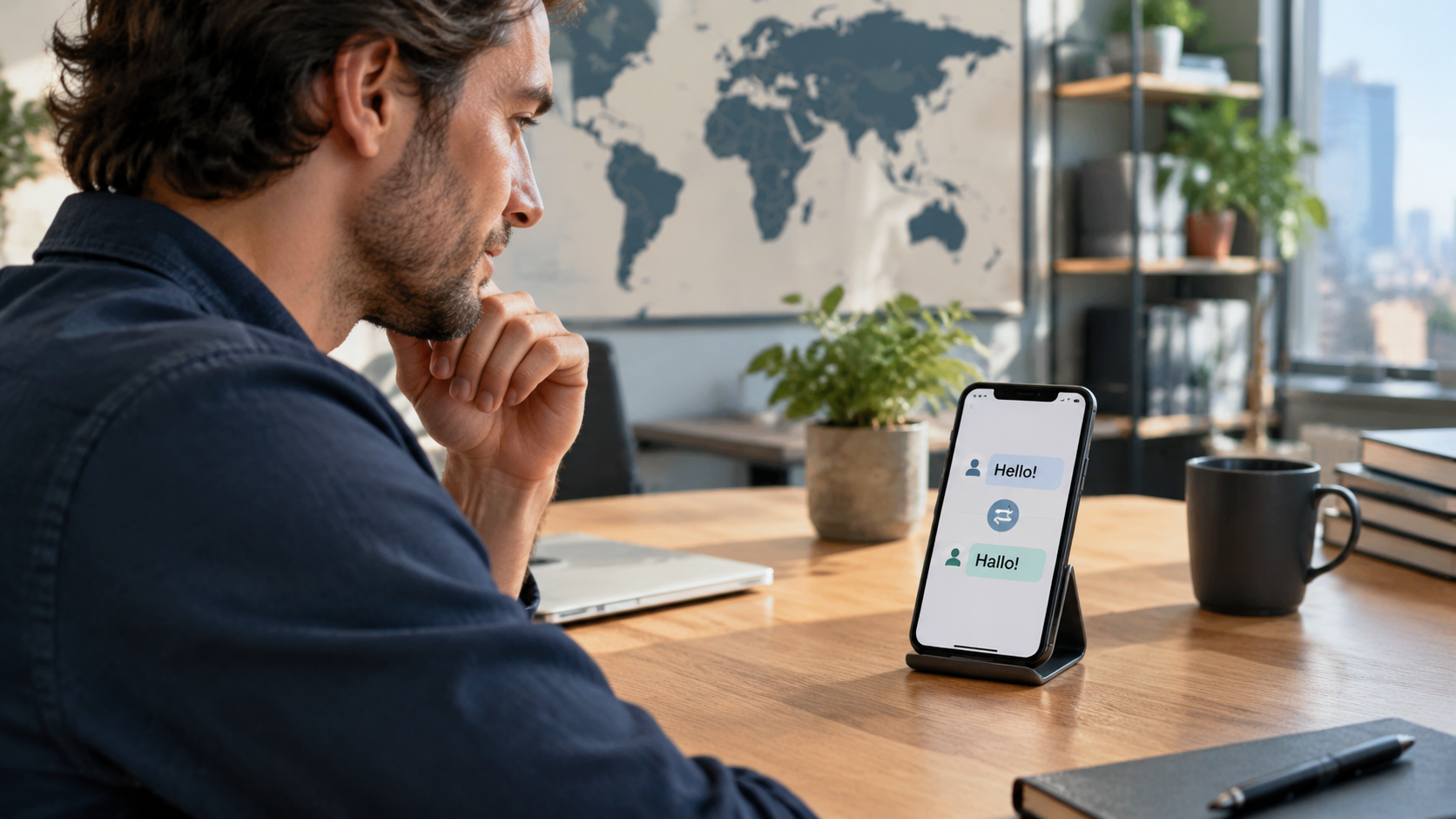
Multilingual Support for Businesses: How to Use AI to Drive Sales
Find out how to overcome language barriers with AI to manage international customers on WhatsApp and your website, ensuring a professional experience and quick responses.
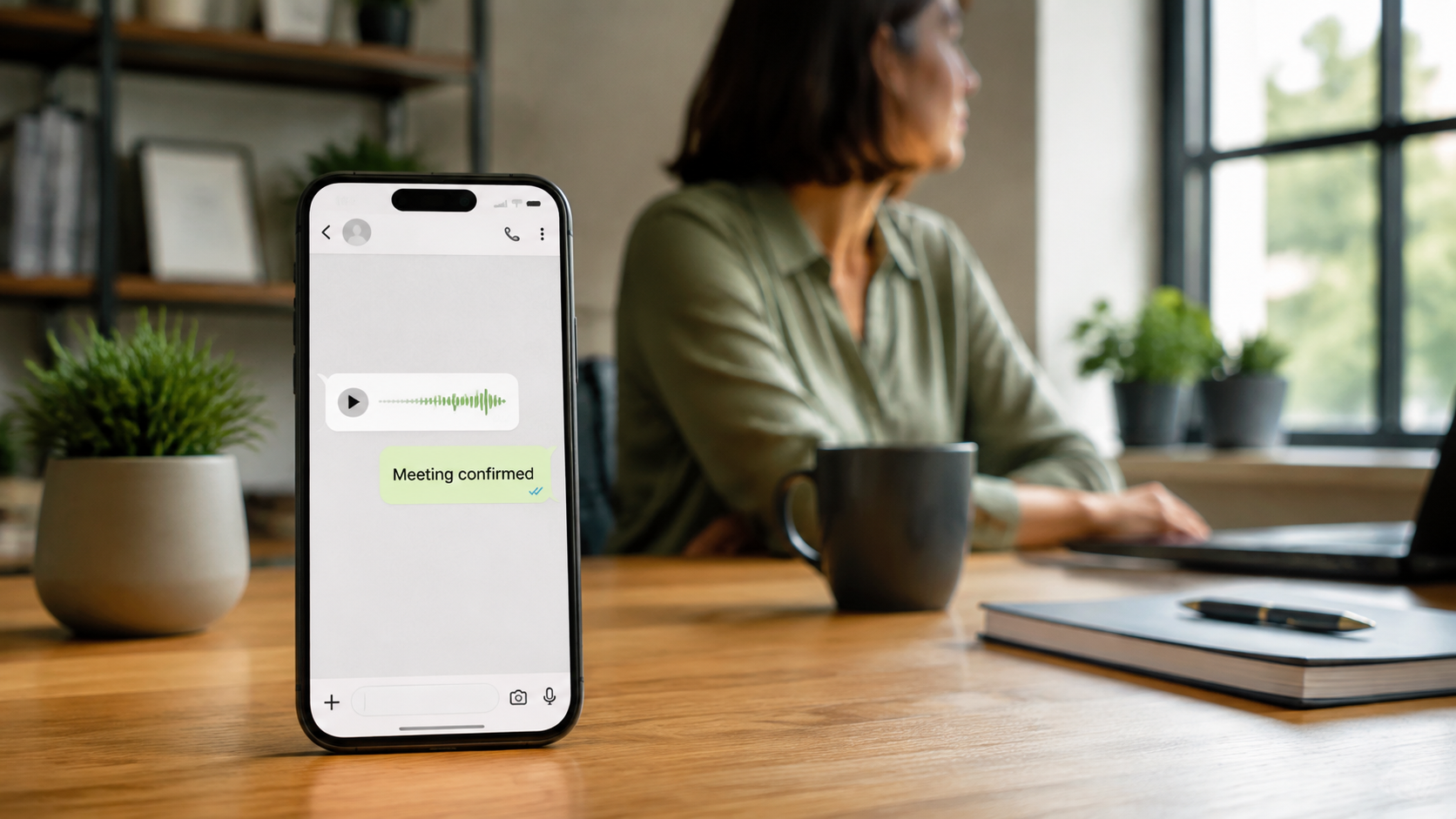
Converting Voice Messages to Text: How to Save Time Every Day
Learn how to convert voice messages to text to better handle customer requests, save valuable time, and improve your productivity.
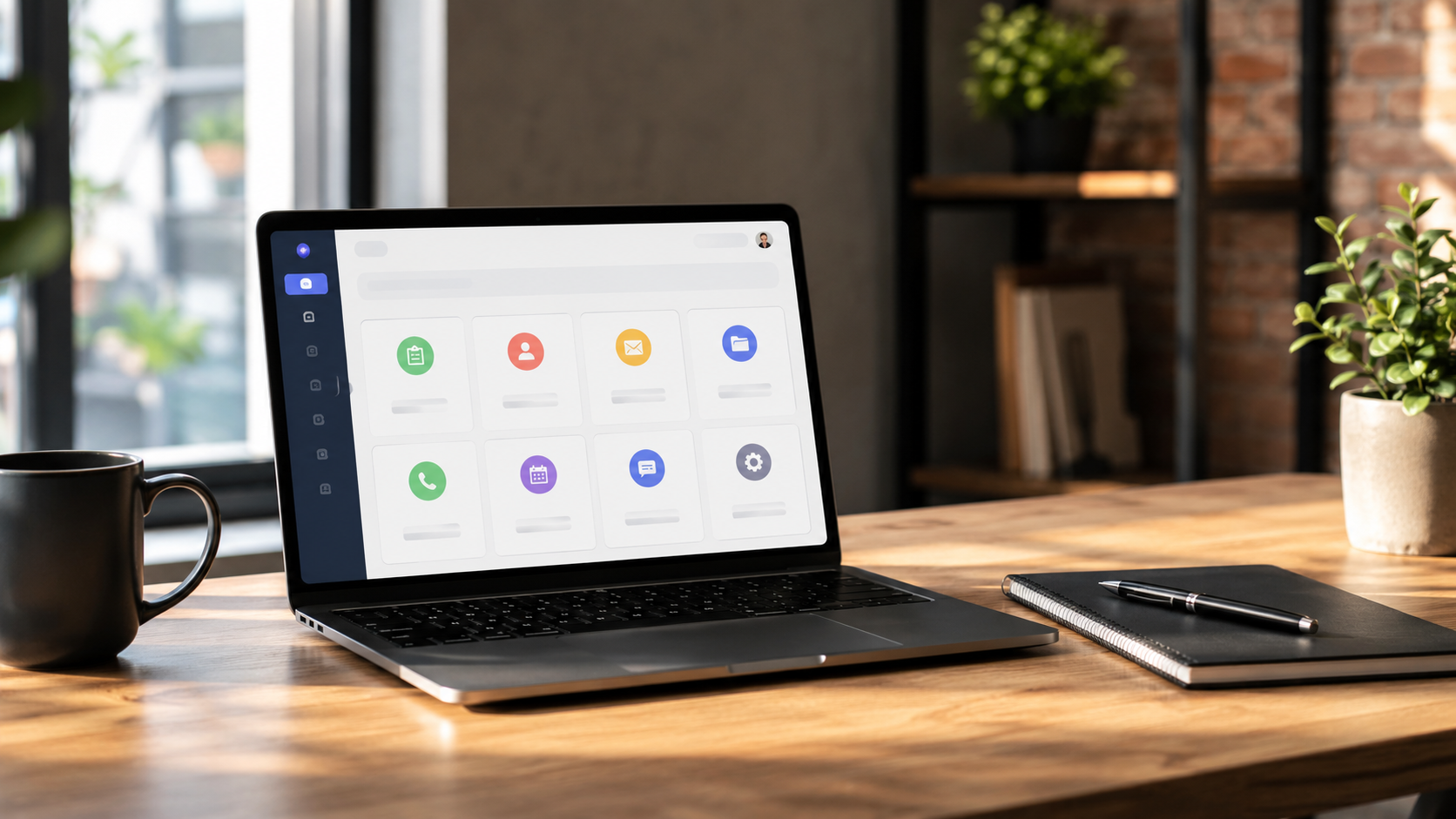
How to Choose the Right Business Management Software for Your Company
Tired of hunting for data in emails and Excel spreadsheets? Find out how to choose the perfect business management software to streamline your work and save time.